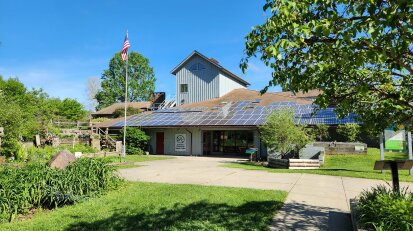
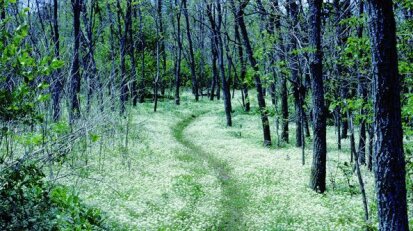
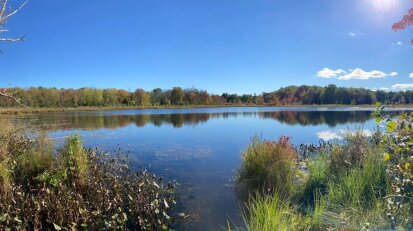
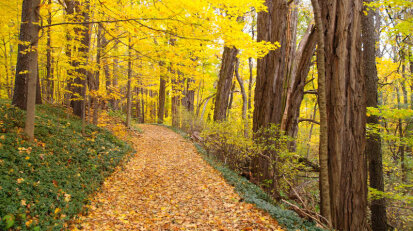
Thermal currents and flyways along Lake Erie, heavily forested areas, wetlands and open fields provide ideal conditions for birders. Visit the Roger Tory Peterson Institute for wildlife art and photography exhibits and the Audubon Center south of Jamestown for year ‘round programs and nature store.
Dunkirk Harbor on Lake Erie
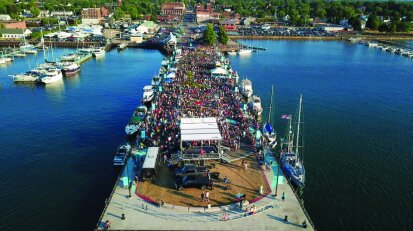
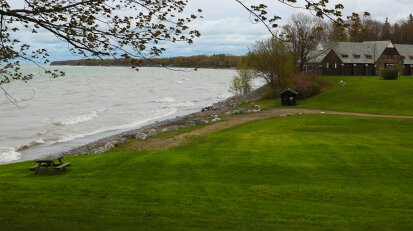
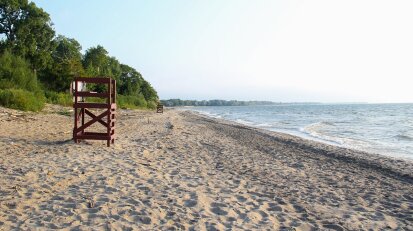
The harbor is located off the City of Dunkirk and is offers lakefront habitat with beaches and small wooded areas that jut out into the lake. Sightings include 14 species of gulls and 40 species of ducks, geese, swans, grebes and loons. Rarities are Harlequin Duck and Eared Grebe. During the winter a nearby power plant keeps the harbor free of ice and attractive to many stop over species. The harbor can be reached by driving to the intersection of Rt. 5 and Central Avenue in Dunkirk, ½ mile west of the intersection of Rts. 60 and 5. The beach can be accessed by continuing north at the termination of Rts. 60 and 5. Facilities include restrooms, convenience stores and restaurants within walking distance.
Point Gratiot
To reach Point Gratiot, follow Rt. 5 west about ¾ mile from Chadwick Bay Harbor and turn right at Point Drive (2nd traffic light). Continue to the Dunkirk Lighthouse at the bend in the road and park on the opposite side in the Department of Environmental Conservation lot. The small woods has an entrance leading to a circular trail. The "Point" is one of the most visited regions in western New York by birders for spring migrants. Significant sightings include Orchard Oriole, Whip-poor-will, and over 30 species of warblers including Prothonotary, Prairie and Worm-eating. Red-headed Woodpeckers nest here. Point Gratiot park has ample parking, a playground, picnic shelter, and restroom facilities.
Ripley Hawk Watch
Spring brings thousands of hawks, eagles, vultures and other migrating birds over the Ripley Hawk Watch (RHW). In their journey north to their nesting areas, these raptors pass through the corridor between the Lake Erie shore and the Allegany Plateau a few miles south of the lake. Since 1985, 21 species of raptors and vultures, including bald eagles, golden eagles, ospreys and peregrine falcons, have been recorded. In all, the RHW has officially counted more than a quarter-of-a-million raptors since 1985 including a number of raptor rarities, such as swallow-tailed kites, mississippi kites, ferruginous hawks and swainsons hawks. The RHW also has observed non-raptor birds of considerable interest, including last year’s sighting of whooping cranes, the first such sighting in New York State. The New York State Audubon has noted that the RHW reports "the highest number of sandhill cranes on any migration flyway in the northeast."
Depending on weather conditions, during the season RHW observers operate one or several sites in the towns of Westfield and Ripley. The sites include Shorehaven on Route 5, about a mile east of Forsythe Road; Parker Road, just north of Barber Road; Creamery Road, just south of Barber Road; and the intersection of Creamery and Belson Roads.
The Ripley Hawk Watch (RHW) formally begins its 2012 season on March 15th. Between March 15 and May 15 the daily observations at the RHW can be viewed on the internet at www.hawkcount.org. Data from the RHW also is published annually in the journal Hawk Migration Studies.
Ralph C. Sheldon Trail
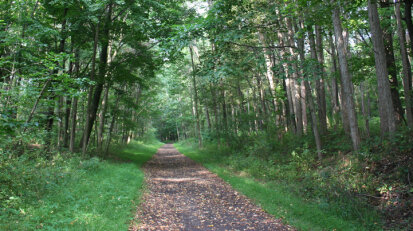
This trail is located northeast of the Village of Sherman on Titus Rd. west of Rt. 430 and runs northward to Summerdale Road. Part of the Chautauqua Rails To Trails system, this trail segment is 5.5 miles long and has parking available. The trail is recognized as one of the outstanding single site habitats in the region and passes through woodlands and wetlands suitable for beavers and waterfowl. One hundred and seventy-five species of birds have been found here. Birds identified included the rarities of Olive-sided Flycatcher, Yellow-bellied Flycatcher, Philadelphia Vireo, American Bittern and approximately 25 species of migrating and nesting warblers.
Laurie A. Baer Trail
Also a part of the Chautauqua Rails To Trails system, this 1.1 mile trail begins on the Plank Road, Rt. 29 south of Westfield and north of Hartfield. The trail is on the right-of-way of the National Grid Corporation and passes north through woodlands, over one bridge and ends at Bliss Road. There are a series of beaver dams as well as great habitats for other wildlife. The trail has just recently become noted as a good birding destination and so far 50 species have been identified including Ruffed Grouse, six species of nesting woodpeckers, Virginia Rail, Hooded Merganser, Blue-winged Teal, and in the spring and Northern Waterthrush. Parking is available on Plank Rd.
Luensman Overview Park
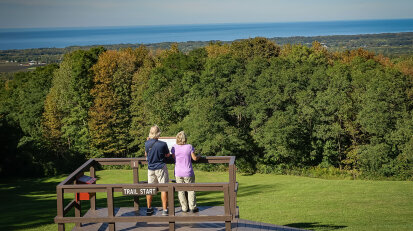
The park is located on Thayer Rd southwest of Rt. 20, between the village of Brocton and Mayville and is marked by blue directional signs throughout the area. On a clear day one can look out across the broad sweep of the Lake Erie Plain and across the lake to Canada’s Ontario Province on the far shore. This site is where the spring hawk watch began before moving towards Ripley. Over 15 species of hawks were identified and the woodlands of this area provide an excellent spring migration and summer breeding spot for smaller birds. Migrating Bald and Golden Eagles, Peregrine Falcon along with nesting Winter Wren, Blue-headed Vireo, Yellow-bellied Sapsucker, Red-breasted Nuthatch, Hooded Warbler and Hermit Thrush. There is a nature trail of over a mile in length and a self-guided trail map is available. The park has a large parking area, picnic pavilion, picnic tables and grills (some handicapped access), a well with hand-pump, and restroom facilities. The park is open May 15th to November 1st.
Watts Flats Wildlife Management Area
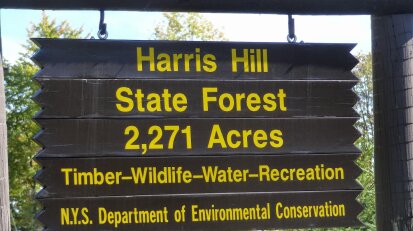
This fine birding and wildlife area is shared with local hunters, including a spring turkey season. The site is located southeast of Panama off Rt. 474 to Rt. 35 south to Watts Flats and includes the Hill Higher State Forest. Official NYS DEC access points are in Niobe and Watts Flats. Located in the town of Harmony this site incorporates over 3000 acres of wildlife habitat. Drained by the Brokenstraw River, Watts Flats is mainly a wetland shrub swamp and emergent marsh with a series of beaver ponds. Over 100 species of birds breed here. Nesting warblers include Canada, Yellow, Hooded, American Redstart, Northern Waterthrush, Chestnut Sided and Blue-winged as well as Swamp, Song and Savannah sparrows and Rosebreasted Grosebeaks. Nesting waterfowl include Wood Ducks an Hooded Mergansers. The upper elevations of Hill Higher State Forest find nesting Blackburnian, Yellow-rumped, Magnolia and Black-throated Green Warblers; Purple Finchs and Dark-eyed Juncos; Golden-crowned Kinglets, Red-breasted Nuthatchs and Brown Creepers.
<span style="font-si